How to Earn Money from YouTube in India (2026)
Every week, someone asks whether ordinary Indians can really earn money from YouTube in India — and the honest answer is yes, but not the way viral screenshots suggest. Behind every "I quit my job for YouTube" story are months or years of consistent work. This guide gives the realistic picture: what it takes, how monetisation works, income streams beyond ads, and a practical 90-day plan.
Set Realistic Expectations First
Most channels earn nothing for their first several months. Growth is slow, the algorithm owes you nothing, and income is uneven. Creators who succeed treat YouTube like a serious side business: publish on schedule, study what works, and keep going long after the novelty wears off.
The upside is real: no gatekeepers, near-zero startup cost (a smartphone is enough), and income streams that compound as your library grows. Just do not expect rent money by month three — expect a skill-building year.
Picking a Niche You Can Sustain
Your niche is the intersection of what you know, what people search for, and what you can discuss for 100 videos without burning out. Strong starter niches in India include personal finance explainers, tech reviews in Hindi or regional languages, cooking, exam prep, freelancing tutorials, home fitness, and local travel.
Validate first: search your ideas on YouTube and check whether similar videos get meaningful views. Proven demand plus genuine interest beats a "trending" niche you will abandon in two months.
The "100 Video" Test
Before launching, list 100 video ideas in your niche. If you struggle past 20, the niche is too narrow or your interest too shallow. This single exercise prevents most early quits.
How YouTube Monetisation Actually Works
The YouTube Partner Program (YPP)
To earn ad revenue, join the YouTube Partner Program. Published eligibility thresholds are around 1,000 subscribers plus either 4,000 valid watch hours on long-form videos in 12 months or 10 million Shorts views in 90 days — though YouTube updates these periodically, so verify current requirements on YouTube's official help pages. You also need an AdSense account, original policy-compliant content, and two-step verification.
What Ad Revenue Looks Like
Advertisers pay YouTube, and YouTube shares a portion with you. Earnings vary enormously by niche, audience country, season, and video length — finance content typically attracts higher-paying ads than entertainment, for instance. Treat ad revenue as one stream among several. Reuploaded or policy-violating content gets demonetised, so originality is non-negotiable.
Income Streams Beyond Ads
Smart creators diversify early:
- Sponsorships and brand deals — often pay more than ads once you have an engaged audience, even a small one.
- Affiliate marketing — recommend products you genuinely use and earn commission on sales. Always disclose affiliate relationships.
- Memberships and Super Thanks — let loyal viewers support you directly once eligible.
- Digital products — ebooks, templates, presets, or courses in your niche, with zero inventory.
- Services and freelancing — a channel showcasing your skills becomes a client magnet.
A healthy creator business earns from three or more of these, so a bad ad month does not sink you.
What You Actually Need to Start
Less than you think:
- A smartphone with a decent camera — fine for the first year.
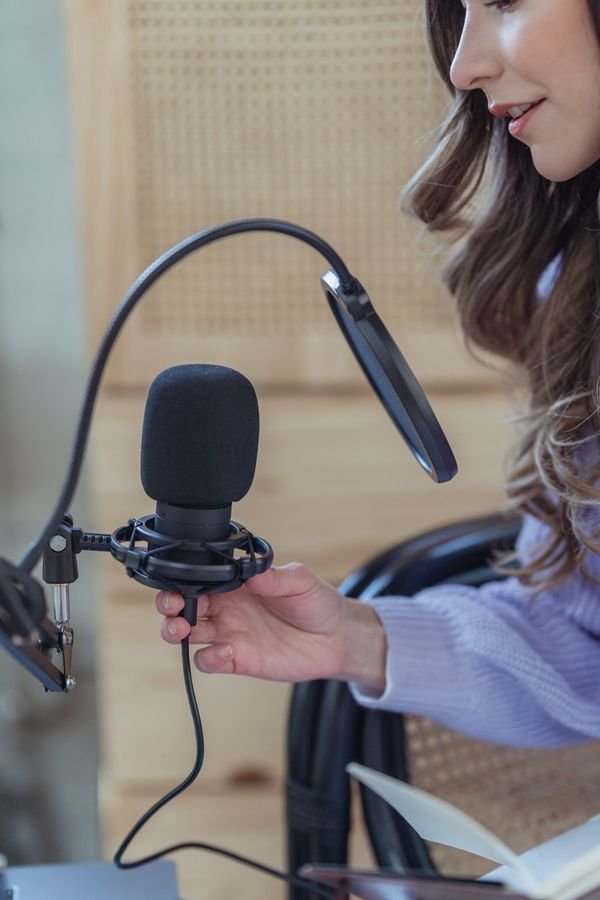
- Clear audio — viewers forgive average video but abandon bad audio. A basic lapel mic is the best first upgrade.
- Free editing software — capable free options exist for mobile and desktop.
- Decent lighting — a window or inexpensive ring light beats an expensive camera in a dark room.
- Consistency system — a simple content calendar (say, one video every Tuesday and Friday) matters more than gear.
Do not wait for perfect equipment. Your first 20 videos will be rough regardless — that is the tuition fee.
Growing: The Fundamentals That Actually Matter
- Titles and thumbnails decide clicks. Study top videos in your niche and iterate relentlessly.
- Watch time and retention are the core signals. Hook viewers in the first 30 seconds and cut ruthlessly.
- Shorts for discovery, long-form for depth. Shorts can explode subscriber counts; long videos build the loyal audience that earns.
- Publish consistently for at least six months before judging results.
- Read analytics, not comments. Retention graphs and click-through rates show what to fix.
Mistakes That Kill New Channels
- Buying subscribers or views — violates policies, destroys engagement metrics, and risks termination.
- Copying other creators video-for-video. Learn from them, but reuploaded or barely-transformed content gets demonetised or removed.
- Quitting at video 12. Almost everyone who "failed" simply stopped before compounding kicked in.
- Ignoring policy basics — copyright strikes and spammy tactics can end a channel overnight. Read the community guidelines once, properly.
- No niche focus. A channel about "everything" is about nothing; the algorithm cannot tell whom to recommend it to.
Your First 90 Days: A Practical Plan
Days 1–14: Pick your niche, pass the 100-video-ideas test, study 10 successful channels, and set up your channel art and description properly.
Days 15–45: Publish 8–12 videos on searchable topics ("how to…", "best…", "explained") rather than vlogs nobody asked for. Improve one thing per video — audio, then pacing, then thumbnails.
Days 46–90: Double down on whatever gained traction, add a simple Shorts routine, engage genuinely with early commenters, and apply for monetisation once eligible. Set up affiliate links for products you already recommend.
Track a simple sheet: video topic, views at 7 and 30 days, click-through rate, average view duration. Patterns will emerge — follow them.
Key Takeaways
- Earning from YouTube in India is realistic but slow: expect a skill-building year, not quick income.
- Choose a sustainable niche with proven demand, and sanity-check it with the 100-video-ideas test.
- YPP eligibility, AdSense, and original policy-compliant content are the gates to ad revenue — verify current thresholds officially.
- Diversify beyond ads: sponsorships, affiliates, memberships, digital products, and services.
- Start with a smartphone, invest first in audio, and prioritise consistency over gear.
- Growth comes from titles, thumbnails, retention, and publishing rhythm — plus refusing to quit early.
Conclusion
YouTube remains one of the most accessible businesses an Indian beginner can start in 2026 — free to enter and open to anyone willing to show up consistently. Forget overnight-success stories; build the library, serve a real audience, diversify income, and let time reward everyone who stayed in the game.
This article is general educational information only and is not professional financial or business advice. Please consult a qualified professional for guidance suited to your situation.
Frequently Asked Questions
How long does it take to earn money from YouTube in India?
There is no fixed timeline — it depends on niche, consistency, and content quality. Most creators take many months of regular publishing to reach monetisation thresholds, and meaningful income usually comes later still. Treat the first year as skill-building rather than income-generating.
Do I need expensive equipment to start a YouTube channel?
No. A smartphone, decent lighting, and clear audio (even a basic lapel mic) are enough to begin. Viewers forgive modest video quality far more readily than bad audio, so upgrade sound before cameras.
Can I earn from YouTube Shorts?
Yes — Shorts views can count toward Partner Program eligibility and Shorts earn ad revenue through a separate revenue-sharing pool. Many creators use Shorts for discovery while relying on long-form videos and other income streams for steadier earnings.
Is it too late to start YouTube in 2026?
No. New channels break through every month, especially in Hindi and regional languages and in specific niches with clear demand. Competition is real, but so is audience growth — consistency and genuine value still beat seniority.

Writes practical money guides for Indian readers.